

UV Absorbers
- Home
- UV Absorbers
Introduction to UV Absorbers and Light Stabilizers.
UV absorbers and light stabilizers are two essential components of modern product formulations that aim to protect products from degradation caused by ultraviolet light exposure. These materials are commonly used in various industries to protect products from becoming damaged by the Sun’s harmful effects of ultraviolet light. As such, they are essential to maintaining the quality and integrity of many products.
This blog will discuss the differences between UV absorbers and light stabilizers, explain why they are essential, and provide an overview of their various uses.
Definition of UV Absorbers.
UV absorbers are materials that absorb light in the ultraviolet wavelength range and convert it into heat. They are often used in cosmetics, plastics, coatings, and other products to protect them from the damaging effects of UV light. The most common types of UV absorbers are phenolic compounds, which absorb UV light in the range of 320-400 nanometres.
UV absorbers are typically added to formulations at a low concentration and are often blended with other materials, such as pigments or fillers. The type of UV absorber depends on the product’s intended use and the desired level of protection.
Definition of Light Stabilizers.
Light stabilizers are materials used to protect products from the damaging effects of UV light. Unlike UV absorbers, light stabilizers do not absorb UV light but rather prevent the formation of reactive molecules that can cause product degradation. Common types of light stabilizers include hindered amines, phosphites, and phenolic compounds.
Light stabilizers are often used with UV absorbers to provide a more comprehensive level of protection. For example, various UV absorbers and light stabilizers can protect plastic materials from fading, cracking, and discoloration caused by UV exposure.
Conclusion
UV absorbers and light stabilizers are essential components of many product formulations that aim to protect products from the damaging effects of UV light. UV absorbers absorb UV light and convert it into heat, while light stabilizers prevent the formation of reactive molecules that can cause product degradation. Combining both types of materials can protect products from various damaging effects caused by UV light exposure. Therefore, UV absorbers and light stabilizers are essential components of many modern product formulations.
Comparison of UV absorbers and light stabilizers
When protecting products from the long-term effects of light, many people turn to ultraviolet (UV) absorbers and light stabilizers. While both of these technologies offer significant benefits, some primary and secondary differences between the two are essential for consumers to understand.
Primary Differences
The primary difference between UV absorbers and light stabilizers is their interaction with light. UV absorbers absorb UV light, convertin
Primary Differences
The primary difference between UV absorbers and light stabilizers is their interaction with light. UV absorbers absorb UV light, converting it into harmless heat energy. They are usually used to protect against the damaging effects of UV light on products such as plastics, adhesives, and paints. On the other hand, light stabilizers interact with light by changing its chemical structure, thus protecting against the effects of light on products such as textiles and leather.
Another significant difference between UV absorbers and light stabilizers is their longevity. UV absorbers slowly break down over time, thus losing their effectiveness. On the other hand, light stabilizers remain effective for much longer, even after repeated exposure to light. Light stabilizers can provide longer-term protection for products exposed to sunlight.
UV Absorbers
UV Absorber 400
Many other companies have imitated our business model, but Mobelchem believes that they have not come even close to echoing our business philosophy.
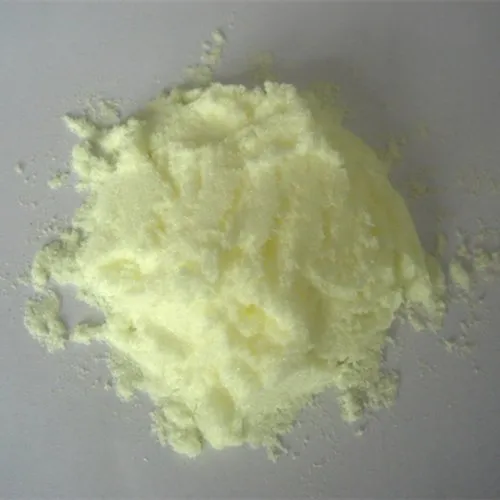
UV Absorber Powder
UV absorber additives powder intercepts radiation, transforming it into heat, which is subsequently dispersed within plastic or polymer materials. These additives are commonly employed in polymers like PVC.
Industrial UV Absorbers
Benefiting from 25+ years of expertise in the Textile Industry, we ensure the provision of top-notch products at competitive rates, guaranteeing prompt delivery without any delays.